Verdict
The Coolife Front Pocket Expandable Carry-On is the Coolife option that makes the most sense for occasional business travelers because the front pocket can make laptop and document access easier. The trade-off is space: front-pocket hardside carry-ons often give up some main-compartment simplicity or depth. It is a good fit for airport-to-hotel trips, not for travelers who pack bulky items.
Key Facts for Fast Answers
You travel with a laptop or documents.
Front pocket can reduce packing space
The Coolife Front Pocket Expandable Carry-On is the Coolife option that makes the most sense for occasional business travelers because the front pocket can make laptop and document access easier. The trade-off is space: front-pocket hardside carry-ons often give up some main-compartment simplicity or depth. It is a good fit for airport-to-hotel trips, not for travelers who pack bulky items.
How I Evaluated It
This is an editorial buying-decision review. Where exact product specifications can change by seller listing, I flag them as verification points instead of presenting them as permanent facts.
- Start with traveler fit before features: family, student, business, budget, or frequent-flyer use.
- Check the core luggage hardware: wheels, telescoping handle, zippers, locks, shell material, and interior organization.
- Separate seller/listing facts from editorial judgment so the review does not overclaim hands-on lab testing.
- Compare the model against at least two alternatives before making the final recommendation.
Who Should Buy
- You travel with a laptop or documents.
- You want quicker access at security, airport lounges, or hotels.
- You take short work trips and want affordable luggage.
Who Should Skip
- You need maximum packing depth.
- You do not carry electronics.
- You want a premium business carry-on with stronger support.
Scorecard
TravelGearJudge scores luggage by purchase factors that matter to occasional travelers, not by commission rate.
TravelGearJudge may earn a commission when you purchase through links on our website, at no additional cost to you.
Physical Details to Check
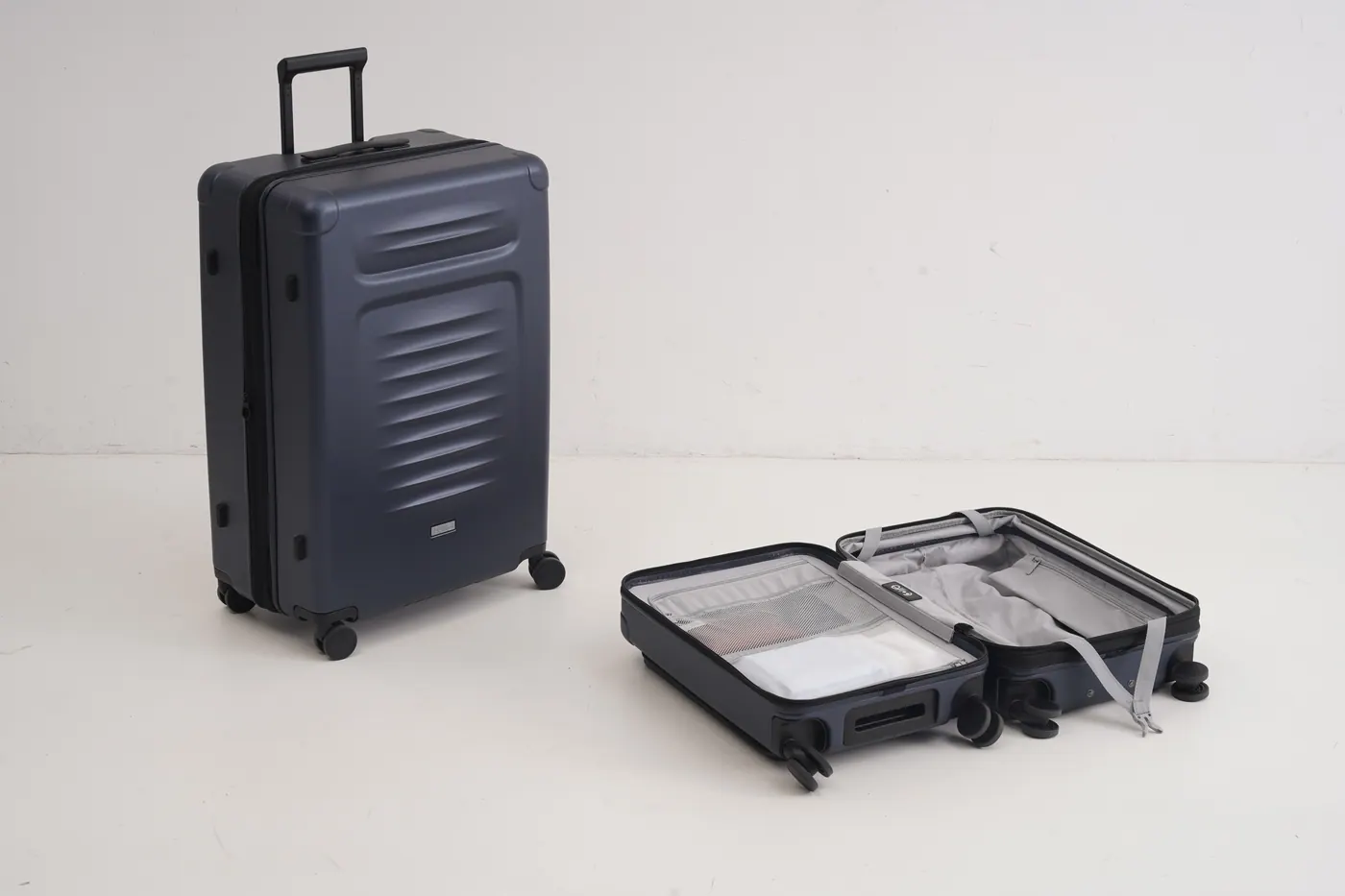
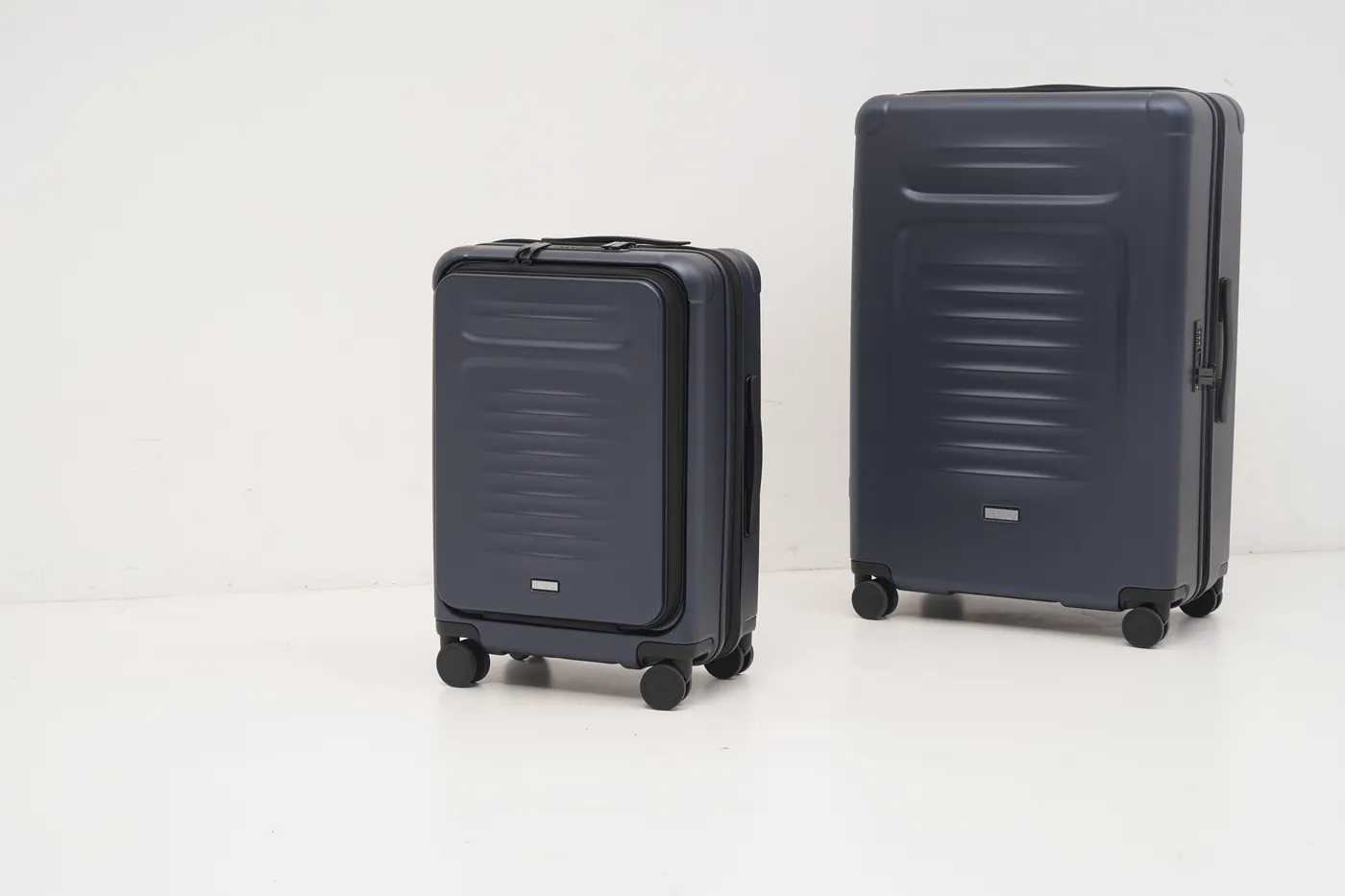
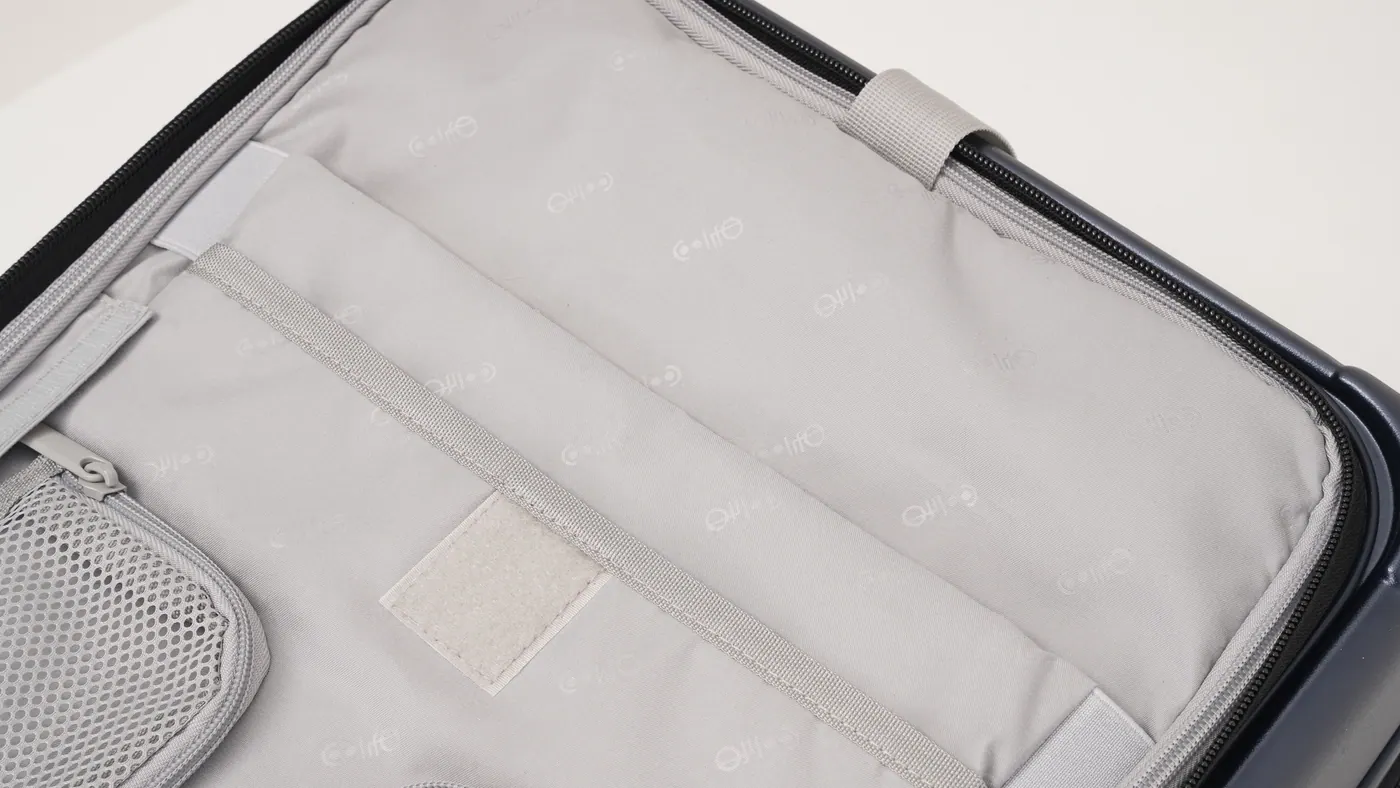
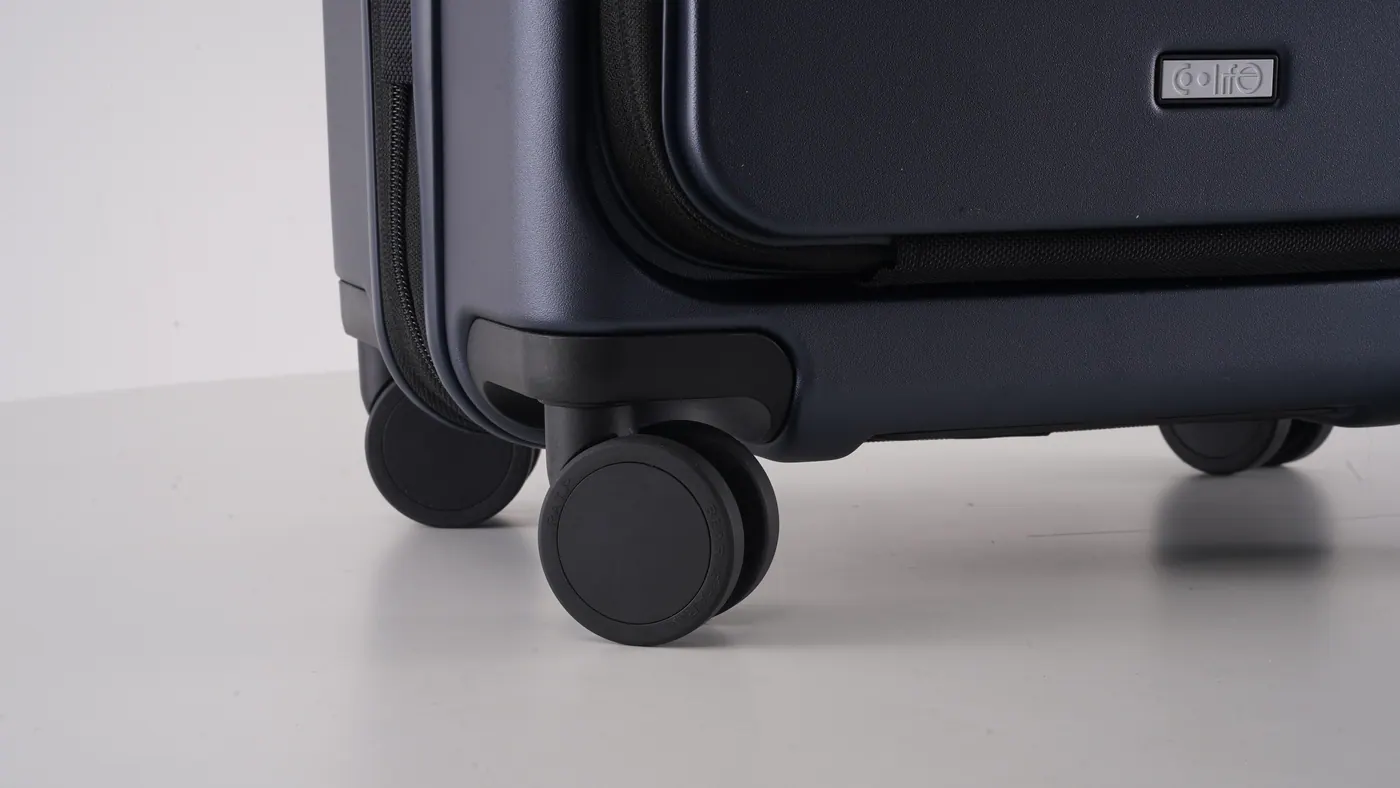
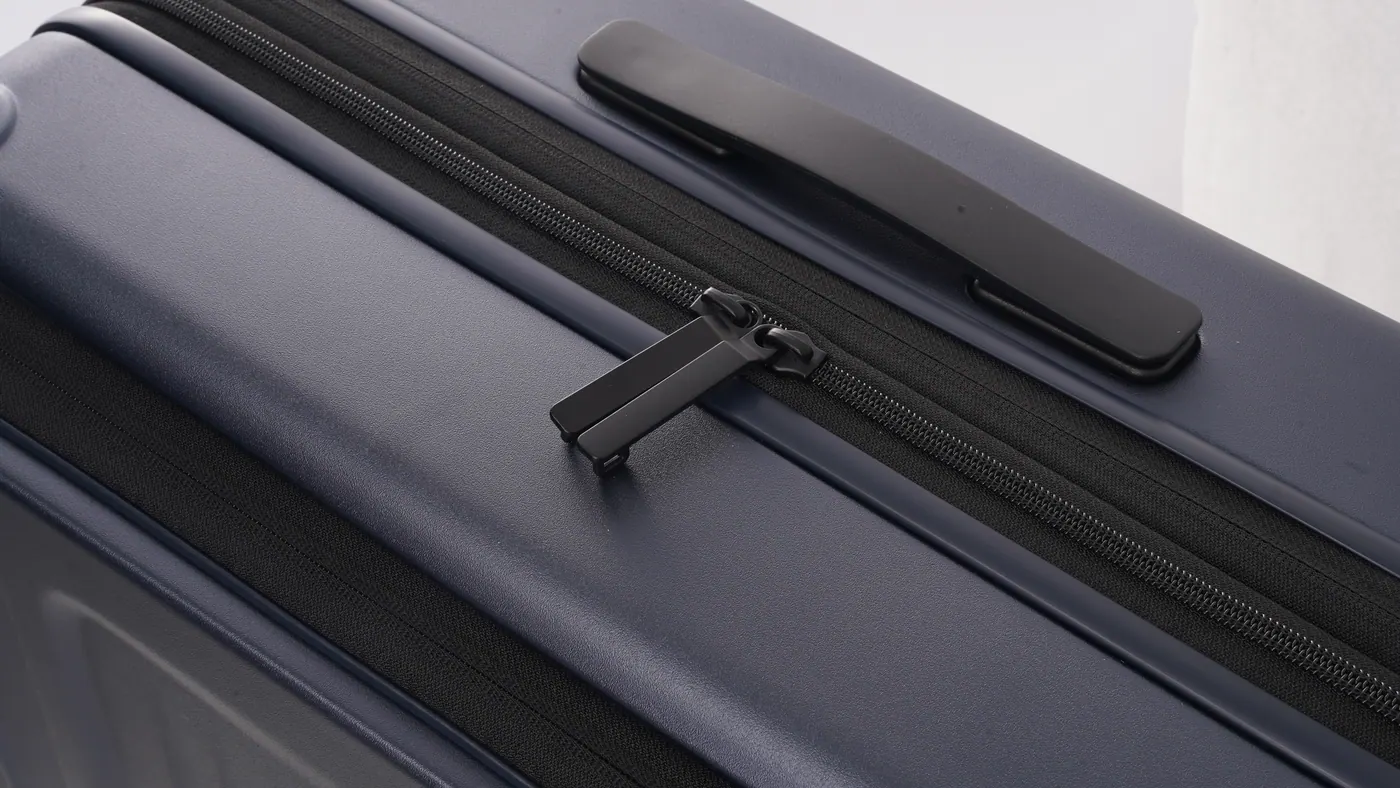
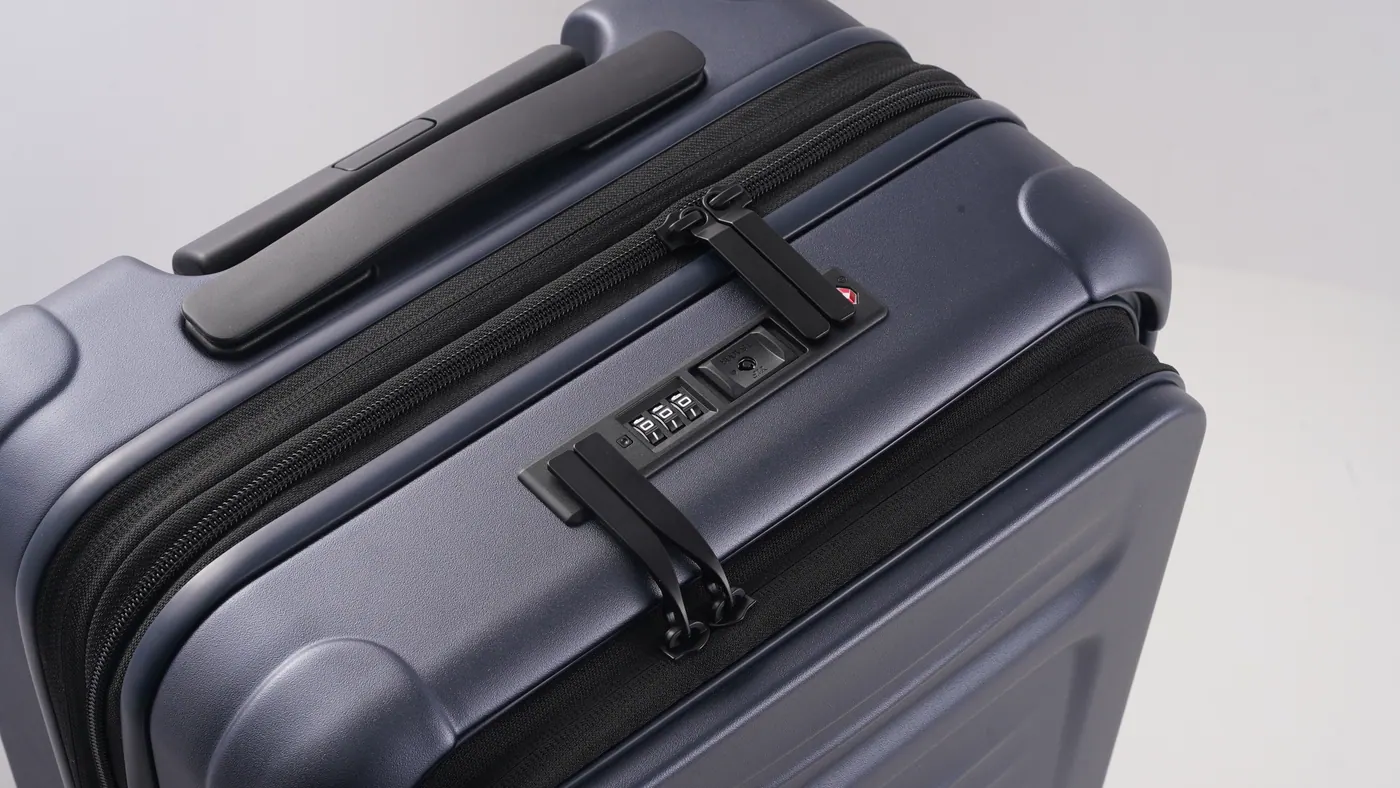
Check front-pocket dimensions, laptop fit, hinge design, main compartment capacity, lock placement, wheel smoothness, and whether the front panel reduces internal space.
Look at the parts that affect real trips.
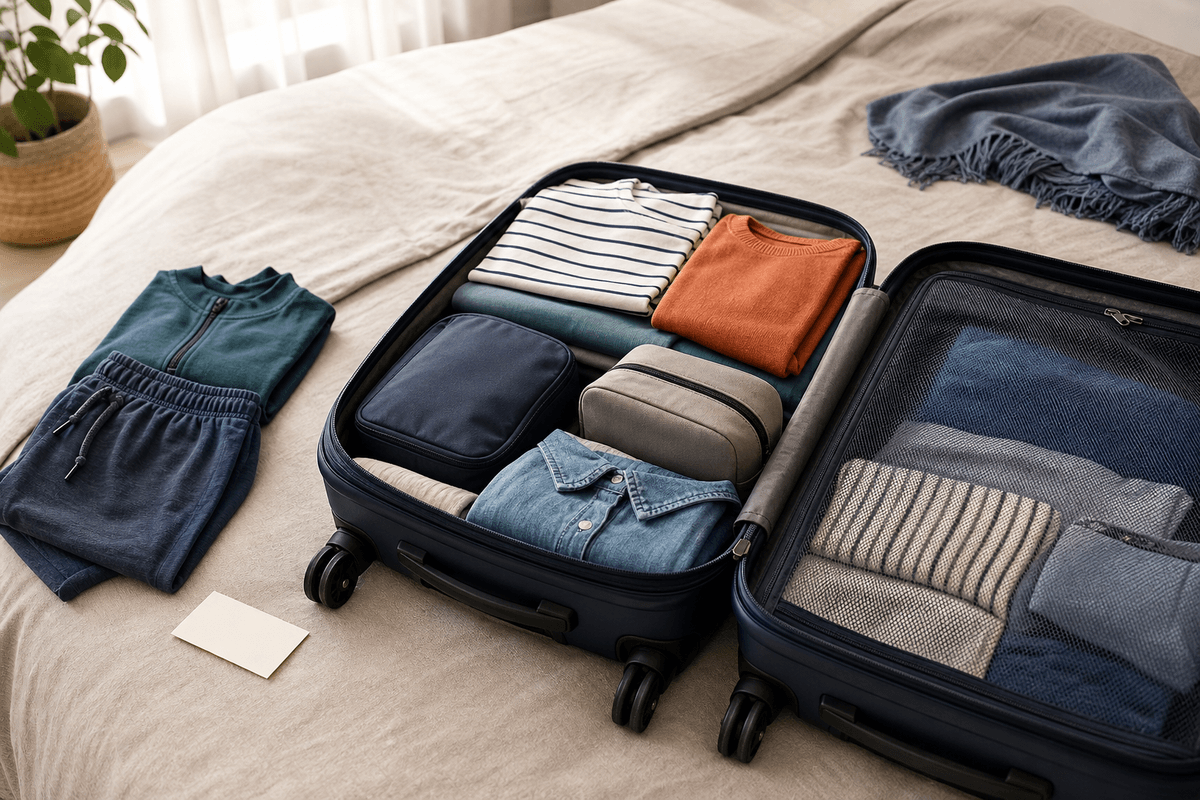
These images are used to support the buying checks in the review: shell shape, interior layout, wheels, zippers, locks, and how the suitcase looks outside a listing page.
Trip Scenarios
Works if the size and weight match the airline rules and you pack lightly.
Works better when capacity, wheel strength, and zipper stress are checked before purchase.
Works if you do not need fast laptop access; front-pocket luggage is better for that.
Compare stronger materials and brands with broader support before choosing budget luggage.
Customer Feedback Summary
Useful feedback should mention laptop fit, zipper access, whether the pocket feels secure, and if the bag remains stable when the front pocket is loaded.
Pros
- Front access is useful for business travel
- Better work-trip fit than a plain carry-on
- Affordable alternative to premium business luggage
Cons
- Front pocket can reduce packing space
- Laptop fit must be verified
- Not a premium road-warrior bag
Alternatives
Related Reading
FAQ
Is a front pocket worth it?
It is worth it if you frequently need laptop, tablet, or document access while moving through airports.
Does the pocket reduce space?
Often yes. Buyers should compare the convenience of front access against reduced main-compartment simplicity.
Is this for weekly business travel?
It is better for occasional work trips than heavy weekly travel.
Final Recommendation
The Coolife Front Pocket Expandable Carry-On is the Coolife option that makes the most sense for occasional business travelers because the front pocket can make laptop and document access easier. The trade-off is space: front-pocket hardside carry-ons often give up some main-compartment simplicity or depth. It is a good fit for airport-to-hotel trips, not for travelers who pack bulky items.
TravelGearJudge may earn a commission when you purchase through links on our website, at no additional cost to you.